5 Surprising Stories from Philips’ History
Over 135 years of Philips history includes many success stories. Much of that success can be attributed to the company’s drive for innovation. Some of those innovations emerged from moments of inspiration no one could have predicted in advance. Who would have expected, for instance, that the company’s 60th anniversary would lead to a world-famous theme park? Or that a DVD player could be used as a digital microscope? Here are a few remarkable and surprising stories from Philips history.
1. What Do Light Bulbs Have to Do with Microchips?
Philips began producing high-quality light bulbs in 1891. After a series of innovations, these bulbs were made using glass, a vacuum (or gas), a metal filament and a lamp base. Using many of those same components, Philips researchers also developed electron tubes such as the pentode. Pentodes were the predecessors of transistors and computer chips —ultra-fast switches that enabled computers to make decisions. Initially, pentodes were used in radios, delivering excellent reception and sound quality.
Philips used these pentodes to build machines such as the PETER (Philips Experimental Binary Electronic Calculator), the PASCAL (Philips Extremely Fast CALculator, at the time the fastest calculator in the world) and STEVIN (Fast Counting and Multiplication Instrument), which excelled at administrative tasks.
In 1966, the extensive technological research carried out at Philips NatLab led to a breakthrough now regarded as one of the most important developments in the history of the microchip: the invention of the LOCOS method (Local Oxidation of Silicon). This technique made microchips both much smaller and far more powerful. To this day, chip manufacturers such as NXP — originally a Philips division — continue to use LOCOS technology.
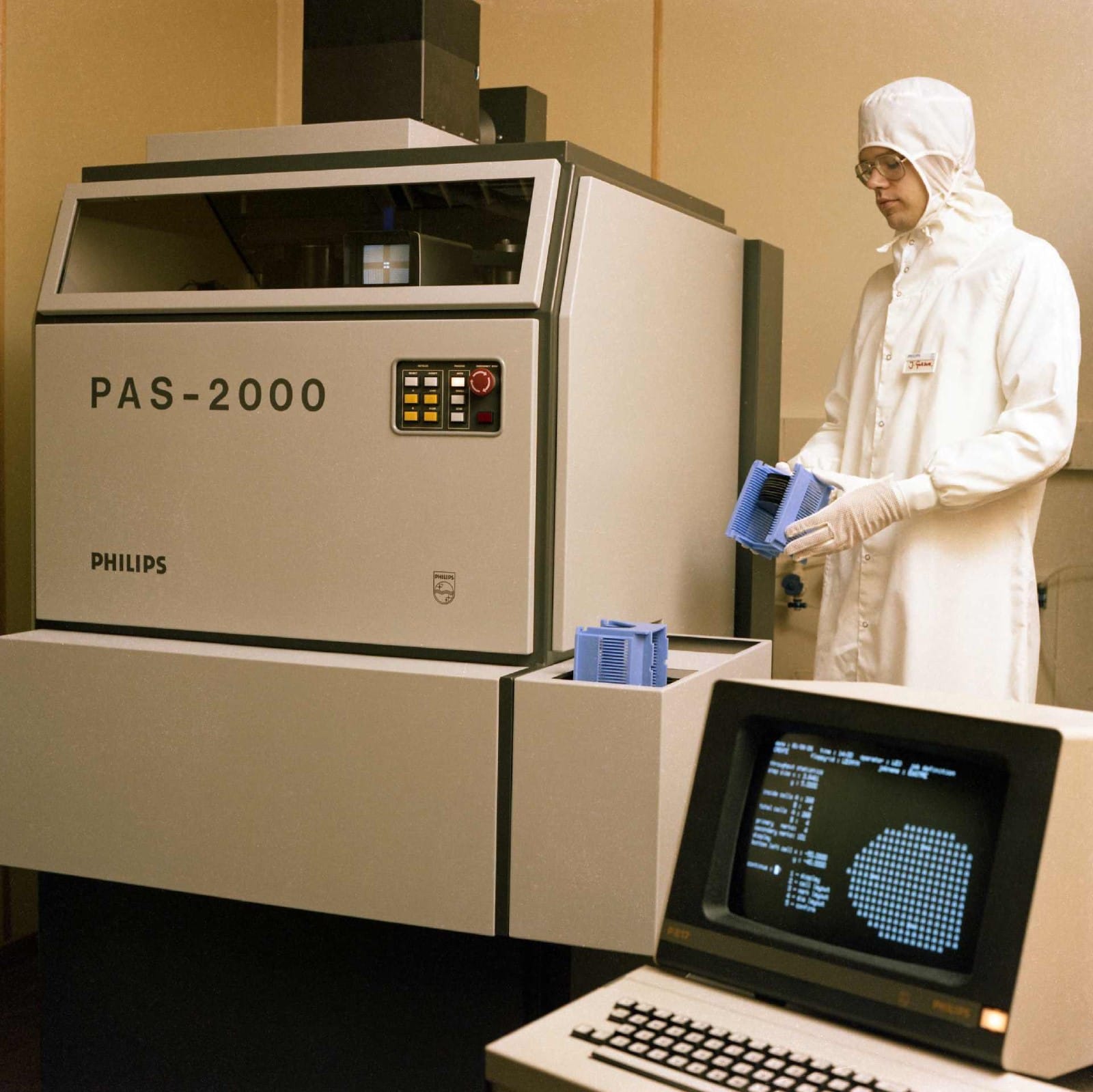
PAS-2000, first Philips wafer stepper for the manufacture of integrated circuits (ICs), Eindhoven (NL), 1981.
2. How Did a Visit to a Glass Factory Lead to an Improved X-ray Tube?
Philips entered the healthcare sector early in the company’s history. Its first major medical innovation was the Metalix X-ray tube, introduced in 1924. What made the Metalix unique was its metal casing, an idea developed by Gilles Holst and Albert Bouwers, who worked at NatLab, Philips’ research laboratory.
While visiting a light bulb factory, Gilles Holst observed employees dipping metal blowpipes into red-hot glass to create glass bulbs. The process inspired him to return to the lab and experiment with glass and chrome iron. Eventually, Holst succeeded in bonding chrome iron and glass together. Another scientist, Albert Bouwers, applied this discovery to develop an improved X-ray tube featuring a glass cylinder and an airtight chrome-iron ring.
The result? Significantly less harmful X-ray radiation escaped during scans, making the technology much safer for both patients and medical staff. At a single stroke, Philips had developed the most advanced X-ray technology of its time.
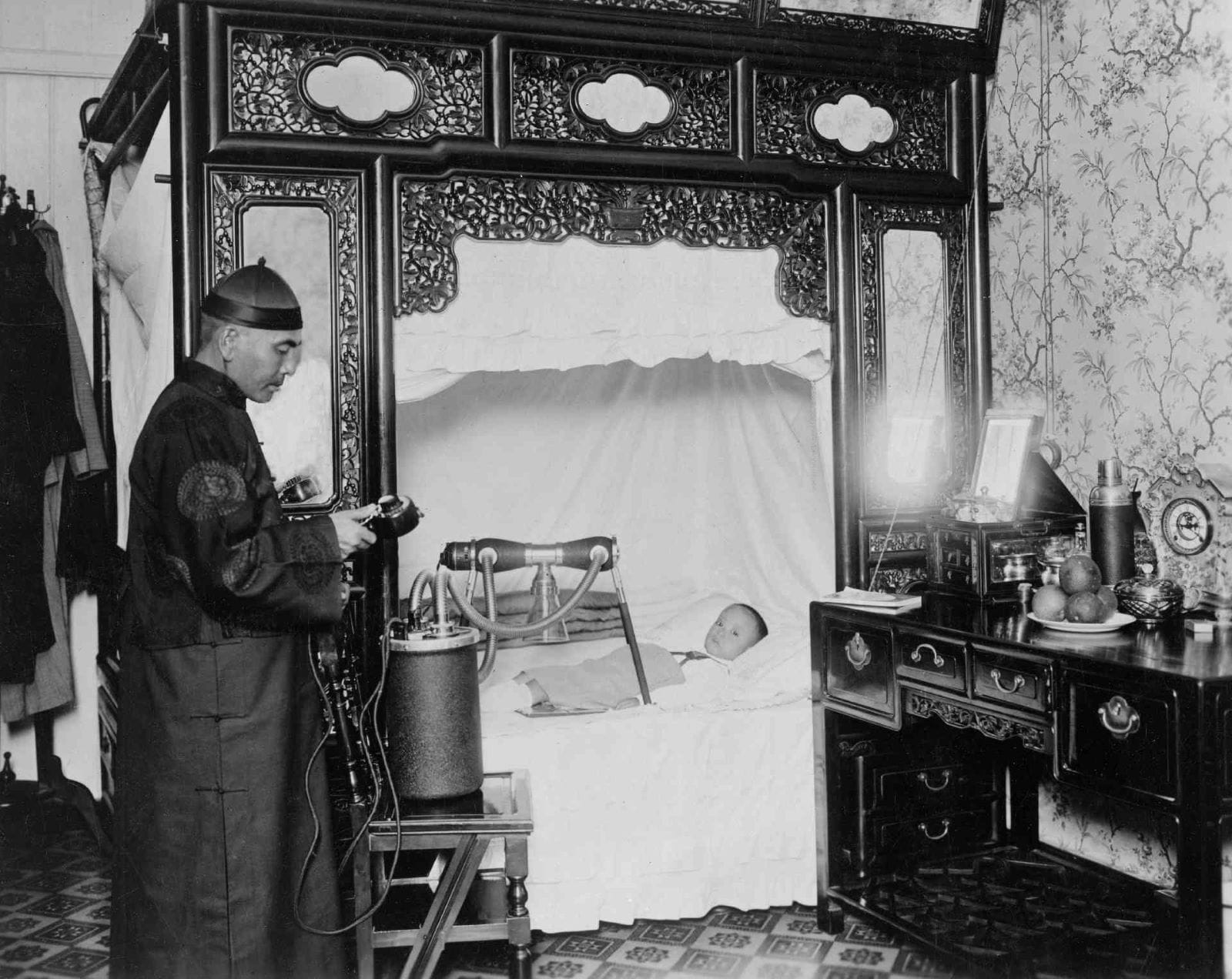
Metalix Junior portable X-ray device in use in China: medical X-ray examination of a child, 1931.
3. What Does a World-Famous Theme Park Have to Do with Philips?
The Efteling, an amusement park that has been around since 1952, featured a trail through all kinds of well-known European fairy tales as its very first attraction: the Fairy Tale Forest. But did you know that the idea for the Fairy Tale Forest first originated during the celebration of Philips’ 60th anniversary? In 1951, Philips had been in existence for six decades. The company pulled out all the stops, including creating a Fairy Tale Garden in the Stadswandelpark. Various fairy tales by authors such as Grimm and Andersen were brought to life along the route with beautiful sculptures and installations. Peter Reijnders, a Philips employee, was so impressed by this event that he wanted to preserve it. When his brother-in-law asked him to come up with a crowd-puller for a nature park in Kaatsheuvel, he seized the opportunity. It would mark the beginning of what has since become a world-famous park.
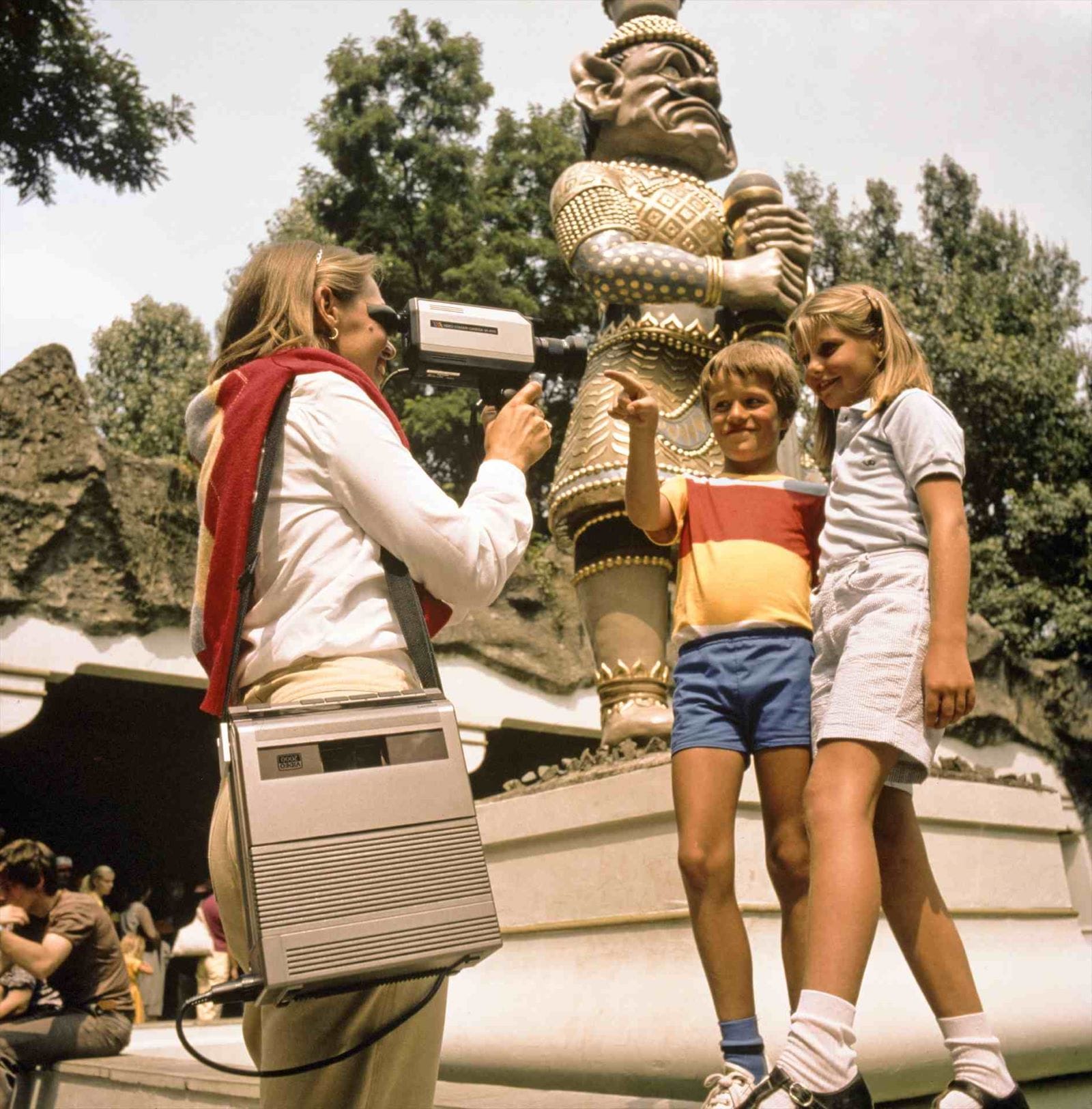
Video camera VK4100 and portable Video 2000 VCR in use in Efteling amusement park, Kaatsheuvel (NL), 1983.
4. How Did the CD Lead to the Large-Scale Exchange of Healthcare Data?
As a result, CD technology soon found its way into healthcare. For example, relatively expensive electrocardiogram recordings were replaced by far more affordable CD-ROMs. Following years of further development and technological upgrades, data exchange has become an indispensable part of modern healthcare systems. In fact, estimates suggest that around 30% of all data worldwide is generated within the healthcare industry.
In the early 1980s, Philips and Sony introduced the CD, or compact disc. Initially, music became its most popular application, with millions of albums sold worldwide. But the CD proved capable of much more. It offered a simple and efficient way to store and
access data.
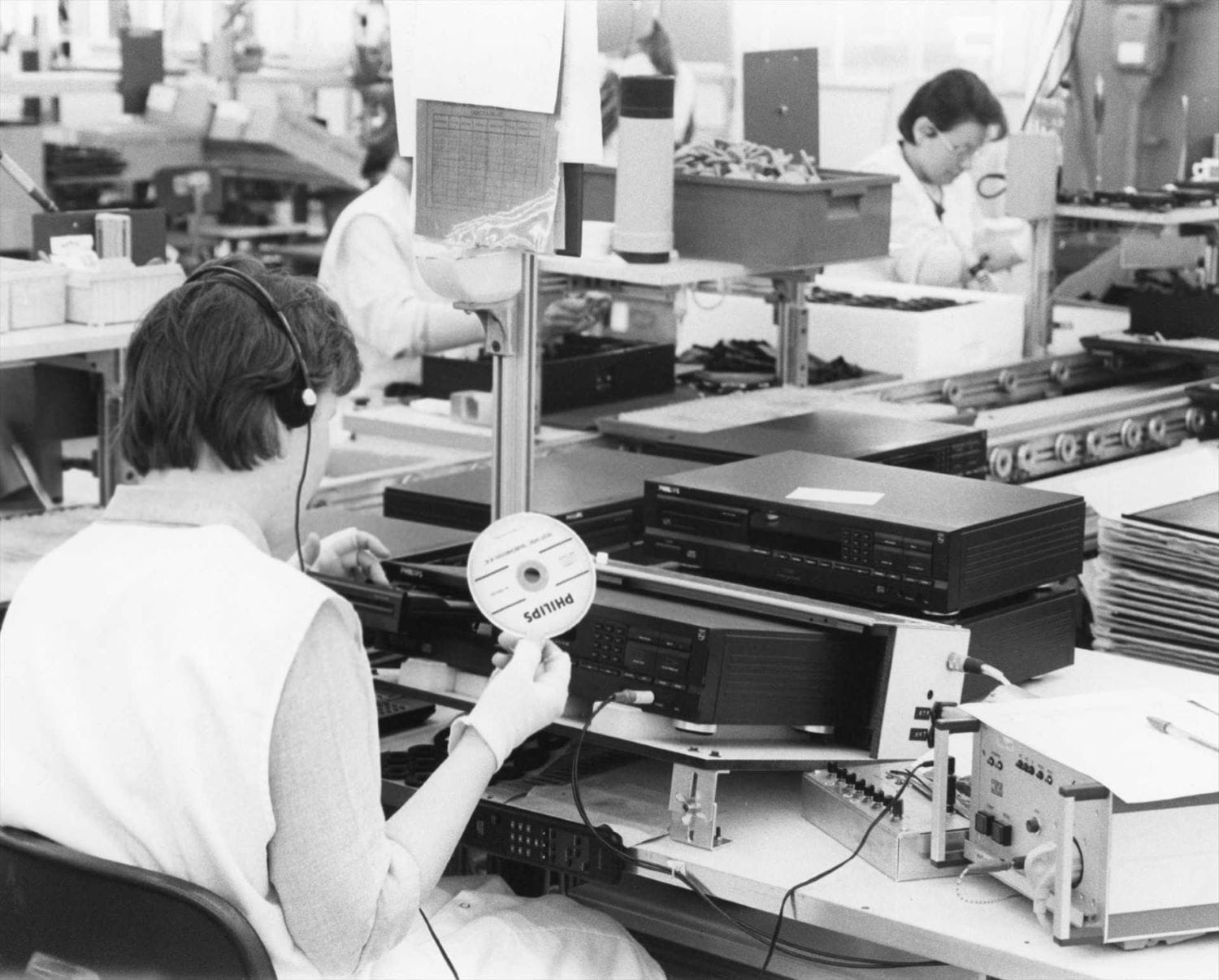
Assembly line for the manufacture of CD and CD-i players at Philips Hasselt (Belgium), 1991.
5. Why Were DVDs Used as Digital Microscopes?
In practice, a DVD player could function much like a microscope. Tissue samples mounted on glass slides could be scanned and viewed directly on a screen. In 2005, Philips introduced this optical DVD technology in its Philips IntelliSite digital pathology systems. The system helps physicians make faster and more accurate diagnoses while also enabling remote consultation.
Just over a decade after the introduction of the CD, the DVD appeared on the market. Like the CD, it was a small silver disc, but with a much higher data density, allowing it to store far more information. This was possible because DVD players could read
data both accurately and at extremely high speed. A capability that also proved highly valuable in digital pathology.
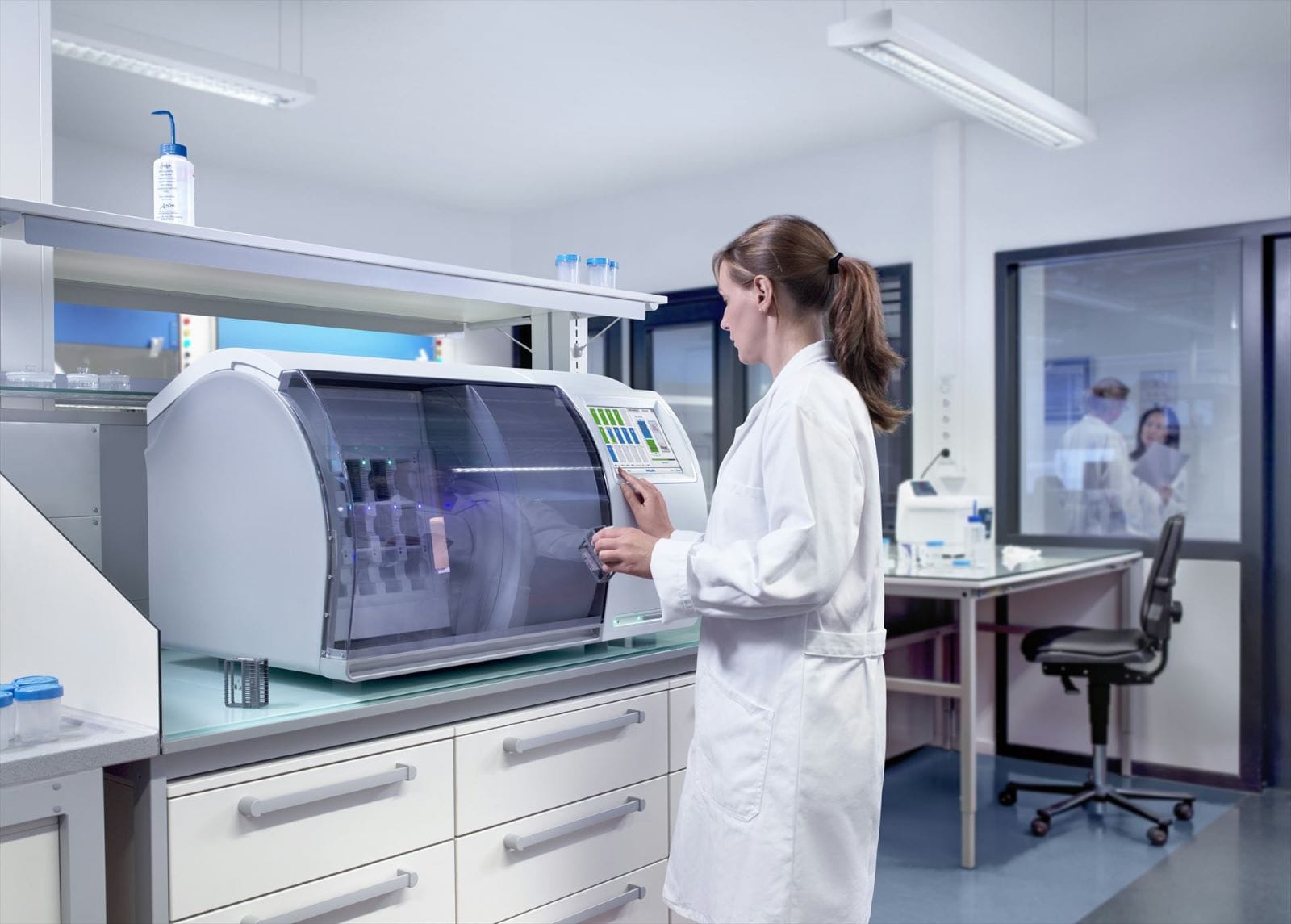
Prototype of a slide scanner for digital pathology, 2009.
Source: Philips Company Archives

